
Written by: Christopher Stoffel (css004@marietta.edu)
Ohio voters have several decisions to make in the Nov. 3 midterm elections — including the race for Ohio House District 94, the race for the U.S. House of Representatives’ 2nd Congressional District and a special election for the U.S. Senate. No matter the position, candidates have outlined different priorities involving the economy, education, health care, taxes, infrastructure and the role of government.
The following is an overview of each race, their respective candidates, and the issues they have deemed important.
Ohio House of Representatives, 94th District
In the race for Ohio’s 94th District, Republican incumbent Kevin Ritter is being challenged by Democrat Wenda Sheard. The district includes all of Washington and Meigs counties, as well as a portion of Athens County.
According to Ritter’s official legislative profile, he believes decisions should be made at the local level whenever possible, allowing communities to have a greater voice in government. His legislative office has also highlighted funding for local projects, transportation improvements and efforts to expand healthcare access in rural Ohio. These priorities reflect his stated interest in local government and community development.


Sheard is an attorney, former teacher and trained mediator. According to her campaign website, she is running because she believes state government needs to focus more on the challenges Ohioans face in all aspects of life. Sheard’s campaign identifies the rising cost of living, affordable housing and access to reliable internet as important issues. She also supports improving public school funding and protecting drinking water — she has raised concerns about waste injection wells and their potential effects on local water supplies. In addition, Sheard supports making voting more accessible and changing the processes behind drawing legislative district maps.
U.S. House of Representatives, 2nd Congressional District
The race for the U.S. House of Representatives’ 2nd Congressional District features Republican incumbent David Taylor and Democratic challenger Jen Mazzuckelli. The district stretches across Southern Ohio — from the Cincinnati area toward the West Virginia border.

Taylor is a former prosecutor and business owner who currently represents the district in Congress. When questioned by WVXU, Taylor states he supports reducing federal spending, expanding domestic energy production and reducing regulations that place unnecessary burdens on business. He has also emphasized infrastructure improvements, agricultural interests and expanding broadband access in rural communities. Taylor says his economic approach would help businesses grow and ease financial pressures on working families.
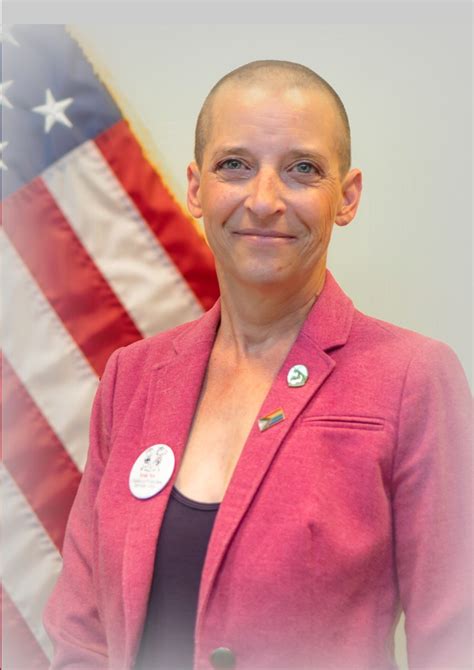
Mazzuckelli is a former human resources professional and high school English teacher. According to her responses to WVXU, she wants Congress to address the costs of housing, energy, health care and food. She supports stronger environmental and consumer protections, including legislation to address pollution and protect public lands. She has also identified breaking up monopolies as a priority.
U.S. Senate
Ohio’s U.S. Senate special election features Republican incumbent Jon Husted, Democrat Sherrod Brown and other third-party candidates.

Image: Republican candidate Jon Husted. (Photo by Kevin Dietsch, Getty Images.) 
Image: Democratic candidate Sherrod Brown. (Photo by Tom Williams, Getty Images.) 
Image: Libertarian candidate Bill Redpath. (Photo courtesy of Bill Redpath.) 
Image: Independent candidate Greg Levy. (Photo by Ethan Herx, The Post.)
Husted previously served as Ohio’s Lieutenant Governor, Secretary of State and a state legislator. His campaign emphasizes economic growth, tax reductions, job creation and border security. He has also promoted career and technical education to prepare students for employment without requiring them to take on large amounts of debt. Finally, he supports domestic energy production and extending tax cuts to help address economic concerns.
Brown, who has previously represented Ohio in the Senate for three terms, has made working-class families and affordability central to his campaign. He emphasizes protecting jobs, making housing more affordable, lowering health care costs and reducing prescription drug prices. Brown has criticized tax policies that he believes benefit wealthy individuals and large corporations at the expense of working families. His campaign also highlights his previous work on retirement benefits pertaining to prescription drug costs.
As the general election approaches, voters can review candidate websites, public statements, interviews and legislative records to learn more about the people seeking office.
Edited by: Jackson Bandy (knb003@marietta.edu)


